







Search Results for: Coffee Growing History
Exploring Indonesian Coffee Origins: A Comprehensive Analysis of Java Island's Coffee Cultivation History and Growing Region Distribution
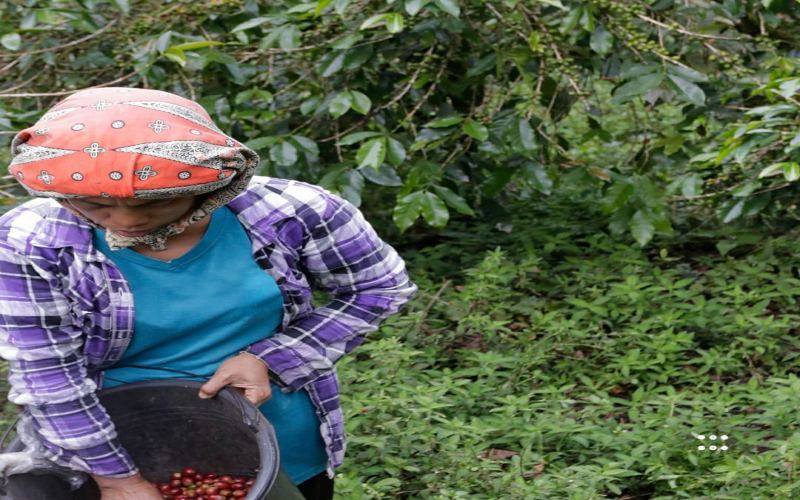
Indonesia is the world's fourth-largest coffee producer, made up of more than seventeen thousand islands, with its coffee-growing regions divided by island. Java, as the country's earliest coffee-growing area, has a long history of coffee cultivation and exceptional natural conditions. This article will guide you through the origins and development of Indonesian coffee, outline the characteristics of the main island regions such as Sumatra and Java, and take a closer look at Java's geographical environment, cultivation distribution, and main varieties, while also sharing information on the Indonesian Lintong Mandheling everyday drinking beans recommended by Front Street Coffee. [more…]
A Complete Guide to Hawaii's Coffee Regions: From Growing History to Kona Flavor and Specialty Bean Roasting
The Hawaiian Islands lie south of the Tropic of Cancer, and thanks to their volcanic soil and tropical climate, they produce coffee that is recognized worldwide as exceptional. The Kona growing region is the most famous, yet the history of coffee cultivation in Hawaii has been full of ups and downs—from its first introduction in 1825 to infestations of pests and diseases, and then the rise of small estates, spanning nearly two centuries. This article examines the full picture of Hawaiian coffee, from the history of its growing regions and flavor characteristics to the Kona certification system and emerging sub-regions such as Kau, Hamakua, and Puna, and explores how roasters like Front Street Coffee bring out its distinctive charm. [more…]
An Analysis of the Cultivation History and Flavor Characteristics of Colombia's Core Coffee Producing Region: Antioquia and the Town of Fredonia
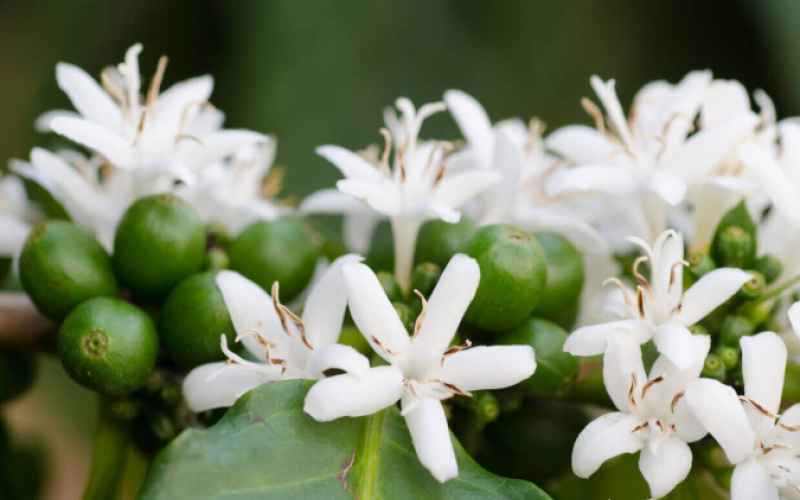
Colombia is the world's third-largest coffee producer, and the high altitudes, volcanic soils, and diverse microclimates of its Andean region give rise to a highly distinctive coffee flavor. In this article, Front Street Coffee systematically traces the dissemination history, industry development, and producing-region landscape of Colombian coffee, with a particular focus on the Antioquia producing region in the northwest and its sub-district of Fredonia. We analyze the local coffee's growing conditions, variety composition, and flavor performance, giving you an understanding of how this important producing region yields coffee with balanced sweetness and a refined mouthfeel. [more…]
Costa Rican Coffee Regions: History and Variety Characteristics: From Environmental Purification to High-Altitude Flavor Analysis
Costa Rica is an important representative of specialty coffee in Central America, renowned not only for its high-altitude growing regions but also for its emphasis on environmental protection during production. This article provides a comprehensive analysis of the flavor secrets of Costa Rican coffee, covering the history of the origin, representative estates, harvest periods, variety characteristics, and grading classifications. The article also introduces well-known growing regions such as Tarrazú and Central Valley, as well as La Pila Estate's non-washed processing and methane recycling. Front Street Coffee recommends a variety of Costa Rican beans, taking you to experience the unique acidity and aroma and consistent quality of high-altitude Caturra varieties. [more…]
Tracing the History of Yunnan Coffee Cultivation and a Comprehensive Analysis of the Flavor Characteristics of Yunnan Arabica Coffee Beans
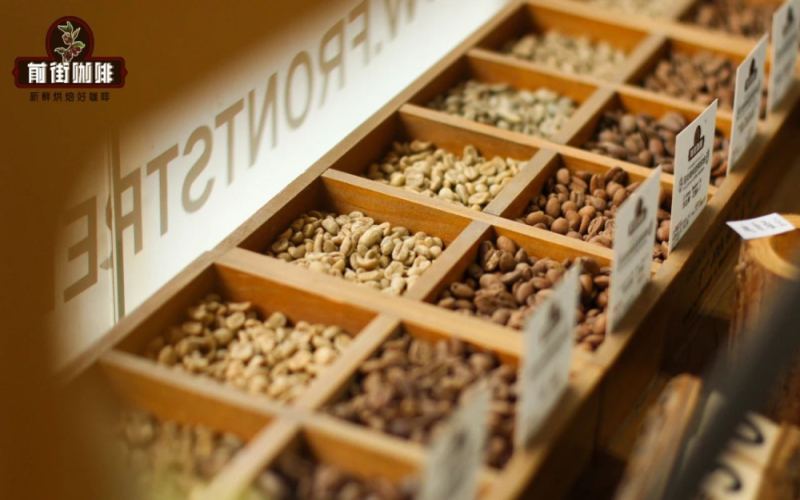
Yunnan, as China's largest coffee-growing region, has a coffee history that can be traced back over a century to when French missionaries introduced the crop to Zhukula Village. From Baoshan, Dehong, and Lincang to Pu'er, Yunnan's unique geographical and climatic conditions have nurtured small-bean coffee that is rich yet not bitter, aromatic yet not harsh, with a slight fruity note. In this article, Front Street Coffee will take you through the origin story of Yunnan coffee, outline the distribution of its main growing regions, analyze the characteristics of varieties such as Typica, Bourbon, and Catimor, and share the flavor differences between washed and natural processing methods along with brewing suggestions, for a comprehensive understanding of Yunnan coffee's past and present. [more…]
Why Is Hawaiian Kona Coffee So Expensive? Understanding Its Unique Terroir and History in One Article
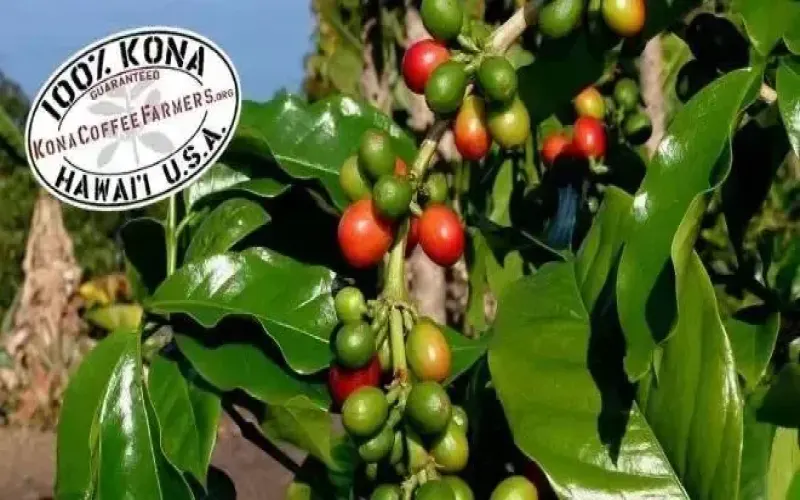
Hawaiian Kona coffee has long been praised as the "Queen of Coffee," sharing equal fame with Jamaican Blue Mountain. Yet its price has always remained high, and behind this lie both exceptional terroir conditions and a winding industrial history. This article starts from the background of coffee cultivation in North America, tracing the entire process of Hawaiian coffee from its introduction in the early 19th century, through pest damage and economic depression, to its eventual fame as the Kona growing region, and analyzes the varietal characteristics, growing region distribution, and reasons for the high price of Kona coffee, helping coffee enthusiasts fully understand the value of this legendary bean. [more…]
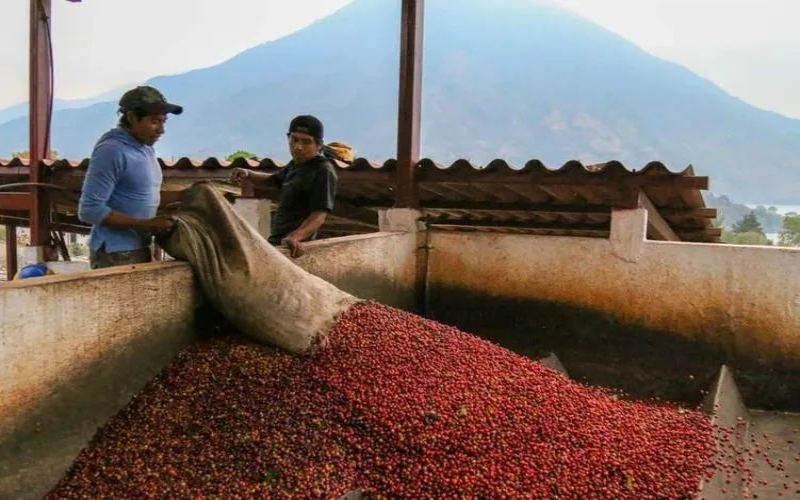
Guatemalan Coffee Growing Conditions, Development History, Main Varieties, and a Detailed Guide to Antigua La Flor del Café Beans
Guatemala is located in southern North America, where volcanic soil, tropical rainforests, and complex microclimates combine to create excellent conditions for coffee cultivation. From Jesuit missionaries bringing coffee trees to Antigua in the 18th century, to coffee rising to become an important cash crop in the mid-19th century, and then to the establishment of the National Coffee Association in 1960, Guatemala's coffee industry has traveled a winding yet solid path of development. Today, the region not only cultivates common varieties such as Bourbon, Typica, Caturra, Catuai, and Geisha, but also has developed distinctive variants such as Pache, Tekisic, and Mibirizi. Front Street Coffee has also acquired La Minita Estate's Flor del café beans from Antigua, and this article will unfold one by one from planting history, variety characteristics, to brewing performance. [more…]
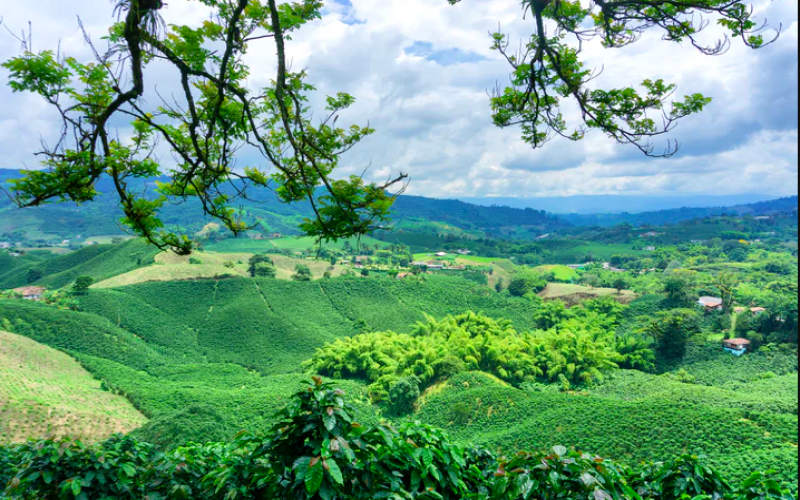
The Development History of Colombian Specialty Coffee and an Analysis of the Sidra Variety at Finca La Divisa in Huila
Colombia, as the world's third-largest coffee producer and the largest processor of washed Arabica, has a specialty-grade share of up to 40% in its coffee exports. From the establishment of the first experimental plantation by Don Mariano Ospina Rodríguez in the 19th century to the founding of the National Federation of Coffee Growers of Colombia in 1927, the Colombian coffee industry has undergone more than a century of development. In this article, Front Street will take you through this history, outline the characteristics of representative producing regions such as Huila and Cauca, and focus on Finca La Divisa in the Huila region and its Sidra variety—a coffee that has attracted much attention since being selected by Anthony Douglas, the 2022 World Barista Champion. What exactly makes it so uniquely charming? [more…]
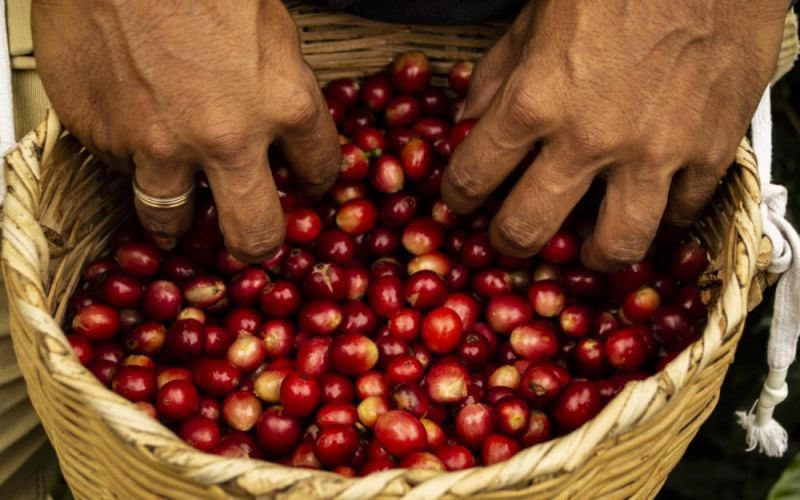
Colombian Coffee Beans: Flavor Characteristics, Development History, Growing Conditions, and Green Bean Grading Standards Explained
Colombian coffee beans can serve as a base for blends, stand alone as a single origin, and even work well with a French press—truly a versatile all-rounder in the coffee world. This article will guide you systematically through the development of Colombian coffee, the terroir characteristics of its main producing regions, the green bean grading system, and complete knowledge from flavor profiles to growing conditions. The volcanic ash soil of the central region imparts bright fruit acidity and rich aroma to the coffee, while the high-altitude producing areas in the south nurture specialty-grade beans. The article also compiles the three major export grade classification standards currently circulating in the Chinese market, along with specific product recommendations from Front Street Coffee, making it suitable for coffee enthusiasts who want to gain a deeper understanding of the Colombian producing regions. [more…]

Kenya Thika Region Coffee: A Comprehensive Analysis of Growing Environment, History, Flavor Profile, and Grading System
Kenyan coffee is renowned for its clean and refreshing taste, substantial body, and bright fruit acidity, making it a classic region sought after by specialty coffee enthusiasts. This article starts from the Kiambu region where Thika is located, systematically outlining the growing conditions, historical context, distribution of the top ten producing regions, official grading system, and unique washed fermentation processes of Kenyan coffee. It also shares the brewing parameters for Front Street Coffee's Kenya Asalia, providing a comprehensive understanding of this East African coffee powerhouse from the colonial period to the specialty era. [more…]
Nicaraguan Coffee Flavor and Variety Analysis: Regional Characteristics, Growing Environment, and Industry Development History
Nicaragua, as an important coffee-producing country in Central America, despite its weak economic foundation and the hardship faced by coffee farmers, produces coffee that ranks among the world's best with its moderate acidity and rich aroma. The three major producing regions of Matagalpa, Jinotega, and Segovia are particularly outstanding, with Matagalpa's coffee flavor often compared to Kenya AA. This article will introduce you to the flavor characteristics of Nicaraguan coffee, its main varieties, the climate conditions of the growing regions, and the profound impact of political changes on the coffee industry. At the same time, Front Street Coffee will also recommend Nicaraguan coffees worth trying. [more…]
Kenya Thika Region Coffee: A Detailed Guide to Growing Conditions, History, Flavor Characteristics, and Grading System
Kenyan coffee is famous for its clean, refreshing taste and bright fruit acidity, and is a classic origin in the minds of many coffee lovers. Starting from the Kiambu region, where Thika is located, this article systematically reviews the growing conditions, historical development, distribution of the top ten producing regions, and the official grading system of Kenyan coffee, and further analyzes how the K72 washed processing shapes its signature flavor. The article also uses Front Street Coffee's Kenyan Little Tomato as an example to share specific pour-over parameters and brewing steps, helping readers gain a comprehensive understanding of the coffee charm of this East African producing country. [more…]

A Comprehensive Analysis of Hawaiian Kona Coffee: Growing Environment, History, Grading Standards, and Queen Estate Flavor
Hawaiian Kona coffee is globally recognized as one of the top specialty coffees, rare in yield and expensive, yet it still draws countless coffee enthusiasts. Hawaii, the only coffee-growing state in the United States, nurtures the uniquely flavored Kona coffee thanks to its volcanic soil, island climate, and exceptional elevation conditions. Front Street Coffee has specially introduced authentic Hawaiian Kona coffee beans from the Kona Queen Estate. This article will provide a comprehensive interpretation of Kona coffee's unique charm, from growing conditions, production region distribution, historical context, grading system to processing methods and cup tasting flavors, taking you deep into the past and present of this world-class coffee. [more…]
Arabica Coffee Beans Explained: The Origin, Spread History, Growing Conditions, and Taxonomic Evolution of Coffea arabica
Coffea arabica, commonly known as Arabica coffee beans, is the most traditional and most important variety in the Coffea genus. It originated in East Africa and was long monopolized by the Arab world before the 15th century, hence the name "Arabian coffee." At the end of the 19th century, a large-scale disease outbreak prompted growers to seek disease-resistant alternative varieties, but Coffea arabica still accounts for about three-quarters of global coffee production today, mainly grown in Latin America, with Brazil becoming the largest producer thanks to its suitable terroir. This article will systematically sort out the core knowledge framework of Coffea arabica, from historical legends and plant habits to taxonomic changes, and take you to rediscover this familiar bean. [more…]
Kenyan Coffee Origin Story and Flavor Analysis: From Planting History to the AA Grading System
Kenyan coffee is renowned for its clean, crisp cup and bright fruity acidity, making it a favorite among many specialty coffee enthusiasts. From the perspective of Front Street Coffee, this article systematically sorts through Kenya's coffee-growing conditions, historical context, distribution of its ten major producing regions, and unique grading system, while also providing an in-depth analysis of the factors behind its flavor. The article also includes Front Street's Kenyan Little Tomato brewing parameters to help readers gain a comprehensive understanding of the appeal of this East African coffee-producing country. [more…]
A Complete Guide to Hawaiian Kona Coffee: Growing Environment, Regional Grades, History, and Queen Estate Flavor
Hawaiian Kona coffee is hailed as one of the world's top specialty coffees. Its scarce yield and high price have not stopped countless coffee lovers from flocking to it. Front Street Coffee has specially imported authentic Hawaiian Kona coffee beans. This article will provide a comprehensive interpretation of the unique charm of Hawaiian coffee, from growing conditions, producing regions, historical origins, and grading standards to the cupping performance of Queen Estate. Whether you are a beginner just getting into specialty coffee or a seasoned enthusiast looking for your next favorite, this in-depth review of Hawaiian Kona coffee is worth reading. [more…]

A Complete Guide to Hawaiian Kona Coffee: From Terroir to a Flavor Comparison with Jamaican Blue Mountain
Hawaii is the only U.S. state that produces coffee, and the Arabica coffee grown in the Kona region of the Big Island is renowned worldwide. This article will guide you through Hawaii's coffee-growing environment, the unique terroir of Kona coffee and its tradition of home cultivation, and take an in-depth look at Queen Farm's specialty Kona beans and recommended roasting approaches. We will also compare Kona with the equally famous Jamaican Blue Mountain coffee, examining their differences in history, growing regions, processing methods, and flavor profiles, to help coffee lovers find the perfect island coffee for themselves. [more…]

A Complete Guide to Kenyan Coffee Beans: Origin Legends, Development History, Growing Regions, and Grading System
Kenyan coffee, with its bright and uplifting acidity, intense berry flavors, and robust juicy mouthfeel, has become the beloved favorite of countless coffee connoisseurs. From the late nineteenth century when French missionaries introduced coffee trees to this land, to today when the Nairobi auction has become one of the most transparent coffee trading platforms in the world, Kenyan coffee has traveled a unique path of development. This article will systematically review the cultivation history of Kenyan coffee, the terroir characteristics of its six core producing regions, and the green bean grading system based on bean size, while also sharing the specific parameters and techniques used by Front Street Coffee when brewing Kenyan beans, taking you through a comprehensive understanding of the charm of this East African coffee powerhouse. [more…]
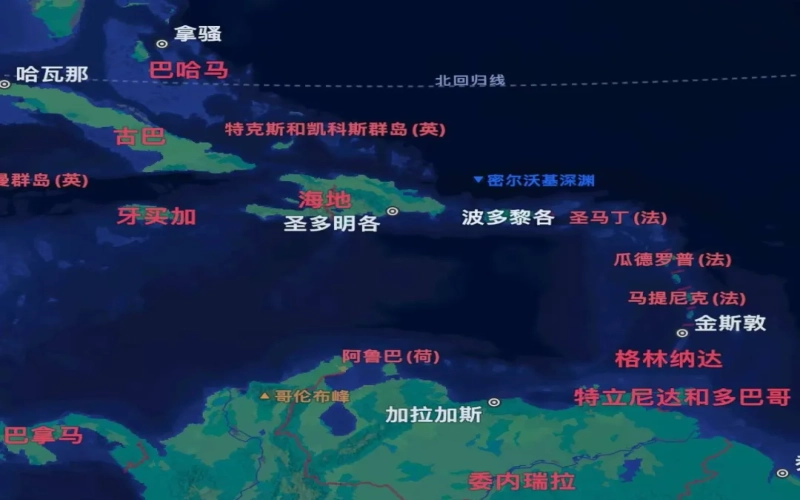
Puerto Rican Coffee: A Complete Analysis of the Planting History and Varieties of the U.S. Autonomous Territory's Caribbean Island Nation
Among the many coffee-growing islands in the Caribbean, Puerto Rico is a special case—it is not an independent country but a self-governing territory of the United States. This island, located in the eastern Greater Antilles, has a central mountain range running through it, volcanic terrain, and a tropical rainforest climate. Coffee cultivation was introduced by Spanish colonists as early as the 18th century. By the late 19th century, production reached 30 million pounds, ranking it among the world's top seven coffee-producing countries. Since then, due to the U.S. takeover, rising costs, typhoon damage, and competition from Brazil, the industry has gone through repeated ups and downs, and in 2017 two hurricanes destroyed nearly 90% of the plants. Today, Puerto Rican coffee is gradually recovering, with particularly outstanding quality in the Yauco area. About 4,000 coffee farmers on the island produce 3 million pounds of green beans annually, with varieties including Arabica, Robusta, and Liberica, and processing methods expanding from traditional washed and natural to experimental techniques. This article will guide you through this turbulent history and the current state of its varieties. [more…]

Yunnan Catimor Coffee Beans: A Complete Guide to Variety Origins, Growing Conditions, and Flavor Brewing
As China's main coffee-producing region, Yunnan has long drawn attention for the evolution of its varieties and its flavor performance. Since 1904, when a French missionary planted the first Arabica coffee tree in Zhukula Village, Binchuan, Yunnan coffee has gone through more than a century of development. Today, Catimor has become the most widely planted variety in Yunnan. Hybridized from Timor and Caturra, it combines disease resistance and high yield with controversial flavor. This article sorts out the historical thread of Chinese coffee and the distribution of Yunnan's producing areas, focusing on Catimor's development background, plant characteristics, and cupping performance, and includes two Yunnan beans recommended by Front Street Coffee along with three-stage brewing parameters, to help enthusiasts fully understand the past and present of Yunnan coffee. [more…]